

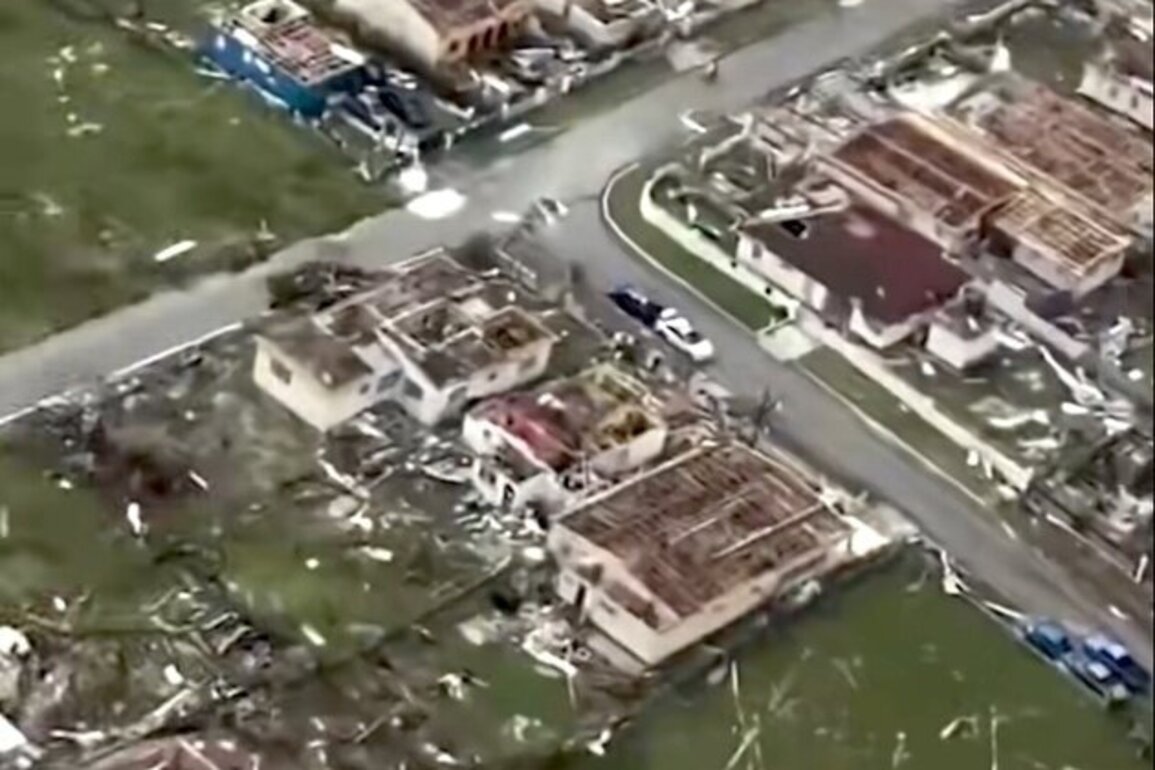
Solar panels and battery storage systems are powering households across Jamaica, supporting resilience and reducing local dependence on costly imported fossil fuels after Hurricane Melissa downed power poles and utility lines.
"With solar, you maintain some ability to continue generating electricity" without relying on hundreds of miles of damaged power lines, David Gumbs, a Caribbean energy expert with the Rocky Mountain Institute and former utility executive in the region, told The New York Times. "And in the Caribbean context, when the hurricane passes, if I have rooftop solar and batteries and if I can keep my refrigerator running, my entire neighbourhood benefits."
Jamaica relies heavily on imported oil and liquified natural gas for electricity, making power costly for residents and exposed them to disruption during disasters, the Times reports. After Hurricane Melissa struck the island's southern coast as a Category 5 storm on October 28, widespread damage left many households without power, with restoration expected to be slow and expensive.
But some residents whose solar panels escaped damage have been able to keep the lights on. Annabelle Todd and Jennifer Hue, who each have solar and battery systems installed on their properties, said their homes became refuges for neighbours in need of electricity access. Community members were able to charge phones, take a cool drink from the refrigerator, and message loved ones to let them know they were safe, according to the Times.
Jason Robinson, CEO of Solar Buzz Jamaica, has installed about 300 solar-plus-storage systems for small businesses and homeowners in the country, reports Microgrid Knowledge. Robinson advised his customers to fully charge their batteries ahead of the storm and switch over to solar if the grid went down.
Only a few of the panels he installed were damaged, mostly on houses near the beach. Although Solar Buzz's panels are rated for winds of 145 to 150 miles per hour, even those in Montego Bay, where gusts reached 185 mph, were able to withstand damage.
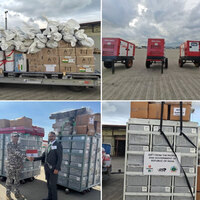
The Footprint Project, which deploys portable energy systems during natural disasters and has supported energy resilience efforts in Ukraine during Russia's war, also donated 150 portable solar-and-battery power stations ahead of the hurricane to support those most in need.
Source: The Energy Mix